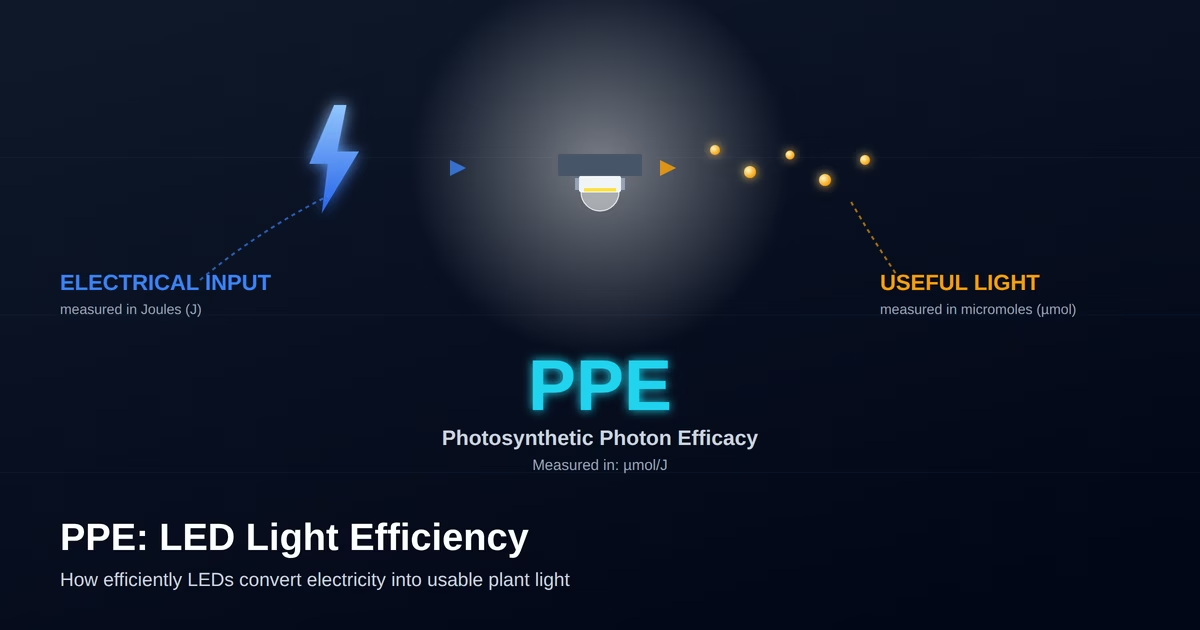
PPE (Photosynthetic Photon Efficacy) in the world of LEDs represents the energy efficiency of a diode, showing how much photosynthetically active radiation (PAR) the LED produces for every Watt of electrical energy consumed. It is measured in µmol/J (micromoles per Joule). In simple terms, this metric answers the main question of any indoor grower: "How much actual light will my plant get for every kilowatt I pay for?"
How LED Efficiency Relates to the "Chinese Watts" Myth
Beginners very often make a major mistake: choosing a grow light based solely on its advertised wattage. On marketplaces, you can find lamps with flashy names like "1000W LED Grow Light," which in reality draw only 300W from the wall. But even a true 300W power draw tells you nothing about how much light the plant will actually receive.
This is where the LED efficiency metric takes center stage. If you buy an outdated fixture (e.g., using cheap COB matrices), its efficacy might be as low as 1.0 µmol/J. This means that for 100W of consumed energy, it will output only 100 micromoles of light per second. A modern premium lamp (for instance, using Samsung LM301H diodes) with an efficacy of 3.0 µmol/J will output 300 micromoles of light from the same 100W at the wall. The difference in light output is 3 times greater, for the exact same electricity cost. This is why Watts are a measure of how much money you spend, while PPE is a measure of your potential yield. By the way, if you are still trying to measure plant lighting in household units, be sure to read our guide on Lumens vs. PPFD: What's the Difference for Plants↗.
1. LED Efficiency: Light vs. Heat
To understand the essence of µmol/J (micromoles per Joule), you need to remember a basic law of physics: energy does not come from nowhere, and it does not disappear. One Watt of electrical power equals one Joule of energy per second (1 W = 1 J/s). When this Joule of electricity enters a Light Emitting Diode (LED), it splits into two parts:
- Light (Photons): useful PAR energy that travels down to the plants and triggers photosynthesis.
- Heat (Infrared Radiation / Die Heating): parasitic energy that heats up the fixture's heatsink.
The higher the PPE rating (the more micromoles of photons generated from 1 Joule), the more efficiently the semiconductor inside the LED works. In highly efficient LEDs, most of the energy is converted into light, and the heatsink remains relatively warm. In cheap LEDs and "220V space heaters" — the electricity literally goes down the drain, heating the room while the plants receive a minimal amount of light.
Good fixture cooling lowers the die temperature and increases overall LED efficiency. To avoid overheating issues when designing your own lights, we recommend using our heatsink thermal area calculator↗.
PPE, PPF, and PPFD: What is the Difference and Why Does it Matter?
To accurately evaluate overall LED efficiency, you need to clearly understand the difference between the three main metrics in horticultural lighting. They are often confused, but they describe completely different things:
- PPF (Photosynthetic Photon Flux): The total amount of photons (light) the lamp emits in all directions per second. Measured in µmol/s. This is the total "volume" of light the fixture can output.
- PPE (Photosynthetic Photon Efficacy): The topic of our article. This is PPF divided by power consumption. Essentially, the fixture's efficiency (µmol/J).
- PPFD (Photosynthetic Photon Flux Density): The density of the photon flux. This is the amount of light from the total volume (PPF) that actually reaches the plant's leaves over a specific area (1 square meter) per second. Measured in µmol/m²/s.
A high PPE rating guarantees that the lamp generates a lot of light (PPF) as cheaply as possible. But for this light to translate into high PPFD at the plant canopy, the fixture must have the correct geometry and optics so that light doesn't scatter outside the grow tent. Ultimately, this directly affects the accumulation of the daily light requirement — read more about this process in our article DLI in Horticulture: The Main Metric for Lighting Calculation↗.
2. PPE Benchmarks: How to Tell Good Light from Bad
Technology doesn't stand still. What was considered science fiction five years ago is the standard today. Below is a table of approximate current efficacy values in the horticultural lighting market.
| PPE Value (µmol/J) | LED Quality | Application |
|---|---|---|
| 0.8 – 1.2 | Low (Outdated) | Cheap household LED bulbs, generic market grow lights, $3 220V driverless COBs. Massive heat, minimal light output. |
| 1.4 – 2.1 | Medium (Standard) | Budget Chinese Quantum Boards, inexpensive COB matrices with drivers. Always require good cooling. |
| 2.5 – 3.0 | High (Premium) | Original Samsung LM301H, Osram Osconiq, Seoul Semiconductor diodes. LED grow lights for professional growers. |
| 3.2 – 4.0+ | Ultra (Innovation) | The latest developments from top brands in laboratory conditions (at under-driven currents). The theoretical limit of white LEDs. |
System Efficacy: Why the Driver and Optics Matter
When we talk about a high LED PPE rating, you need to understand that the efficacy of a bare LED chip and the efficacy of a finished fixture are two different things. Energy travels a long way from the wall outlet to the plant, and losses occur at every stage:
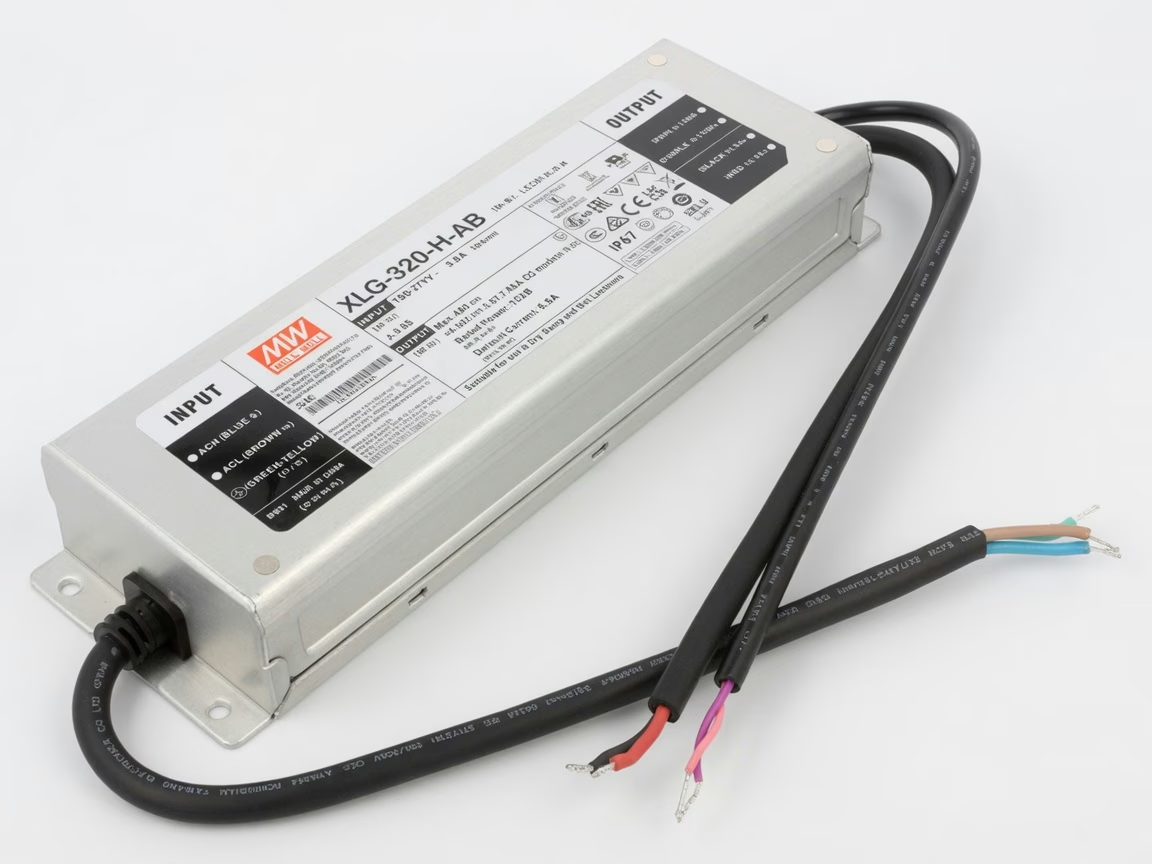
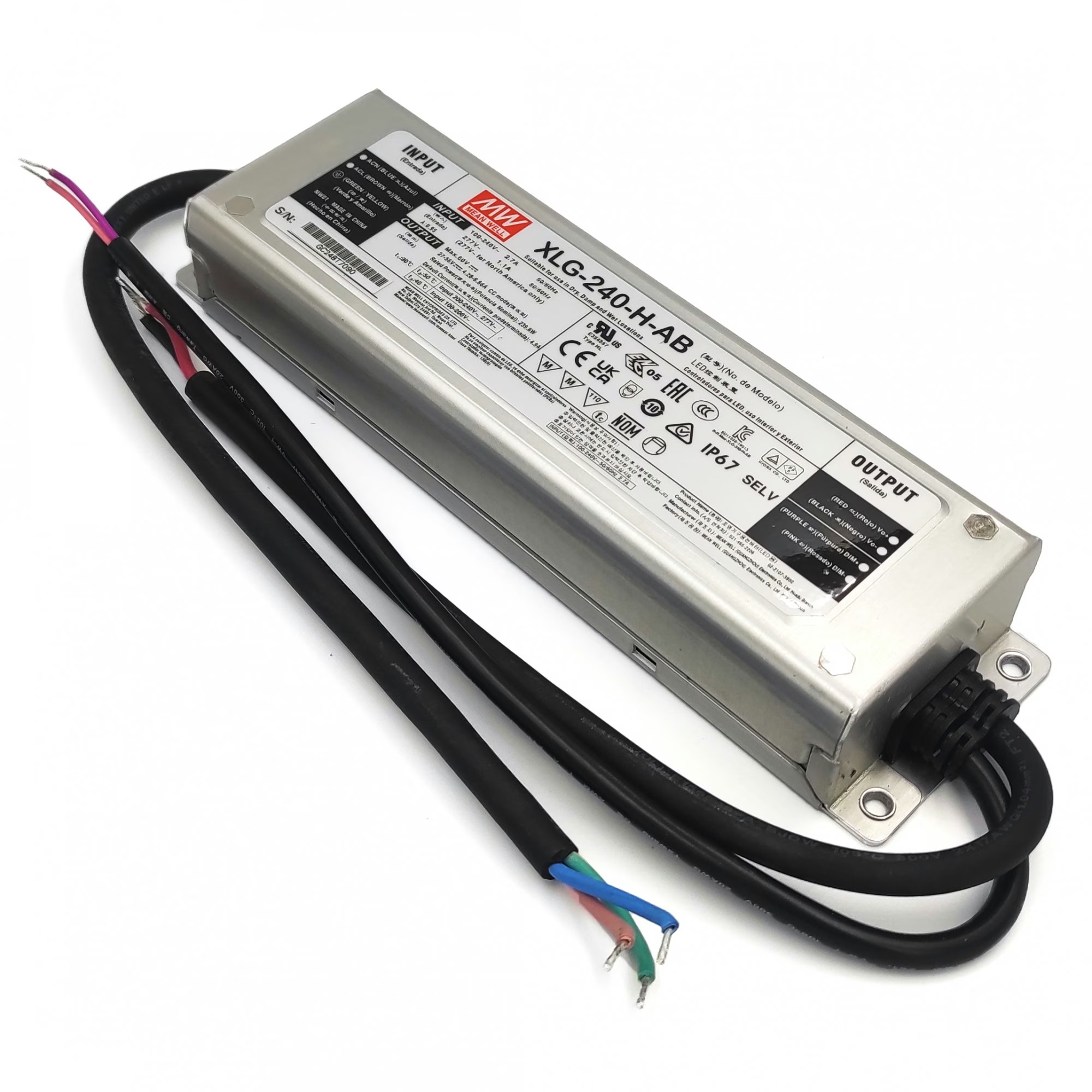
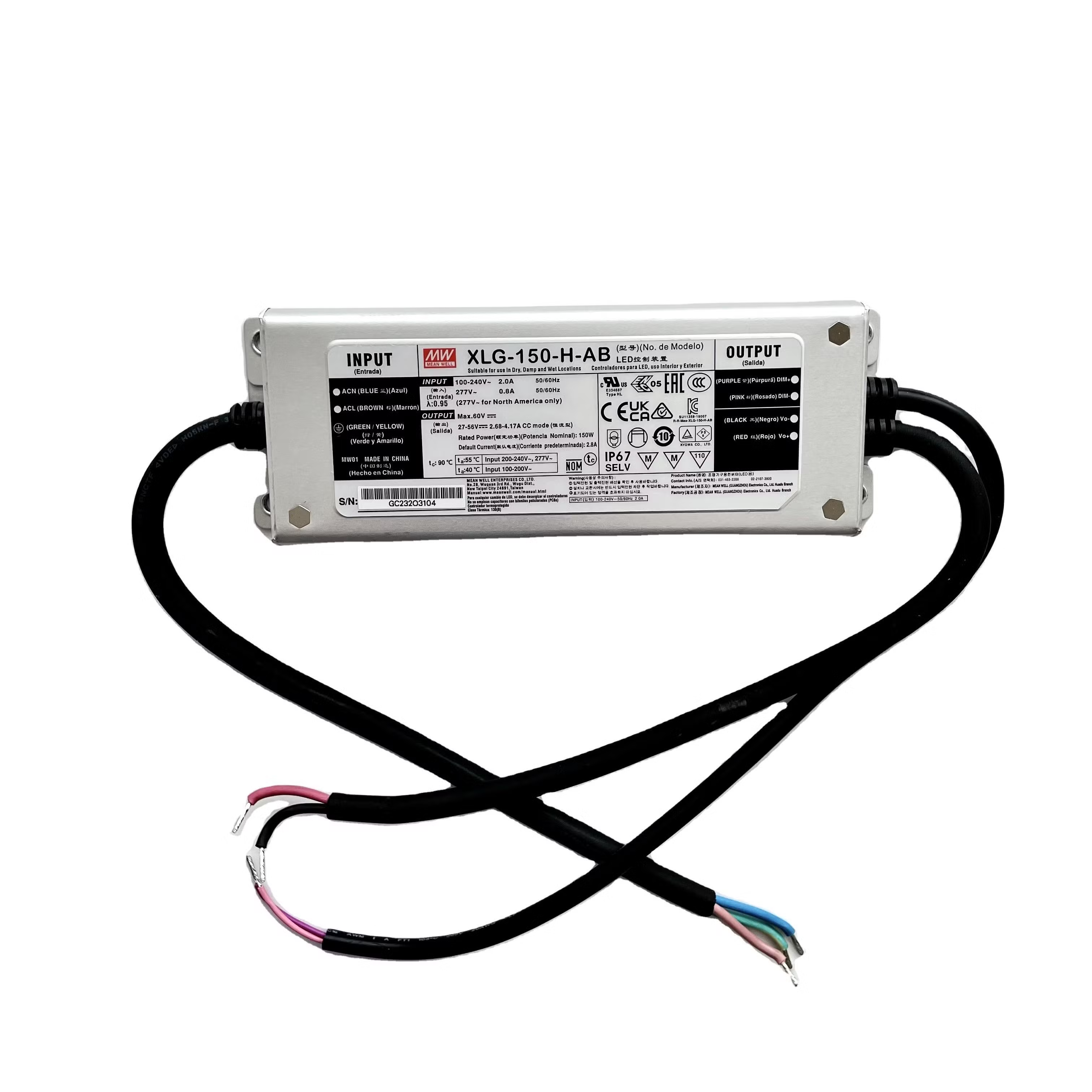
- Driver (Power Supply) Losses: LEDs run on direct current (DC). The driver converts the alternating current (220V AC) from the wall into DC. Cheap drivers have an efficiency of around 80-85% (losing 15-20% of energy as heat). Top-tier drivers have an efficiency of up to 95%.
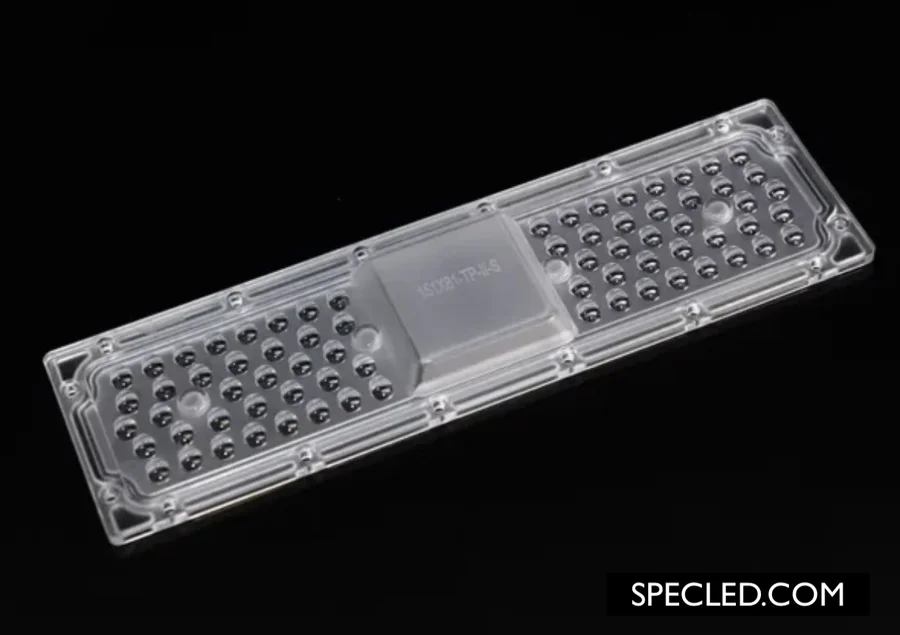
- Optical Losses: If the LED is covered with protective glass, silicone, or a lens (to focus the light), it inevitably "eats" 5 to 12% of the light.
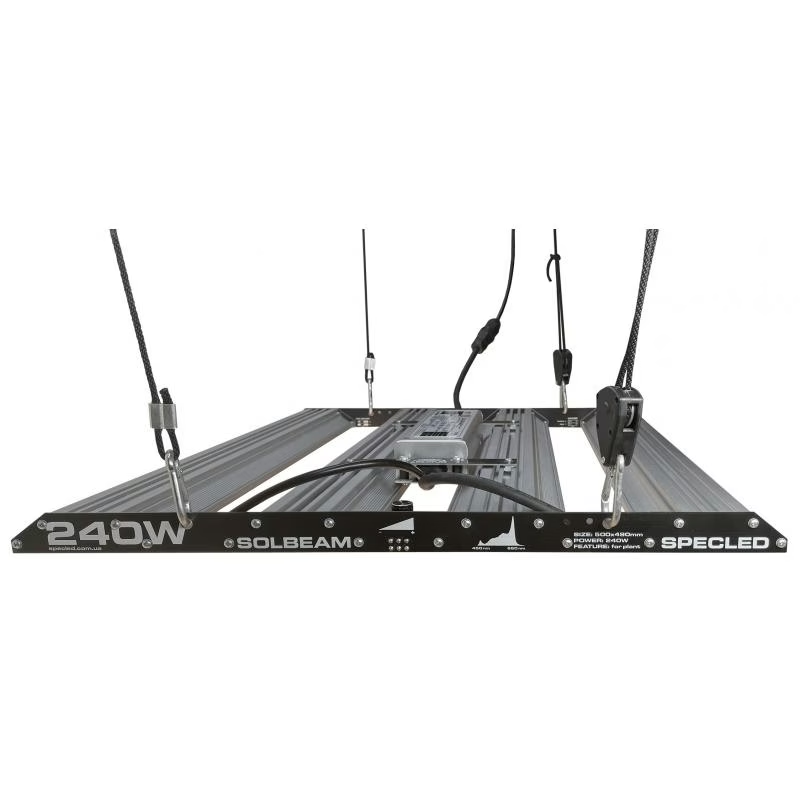
Therefore, when a fixture manufacturer claims a mind-blowing PPE, always clarify: is this Diode Efficacy only, or is it System Efficacy of the entire assembly? An honest manufacturer always states the system PPE, accounting for driver and optical losses.
3. The Economic Sense of High PPE
A fixture with a PPE of 2.8 µmol/J costs more than an equivalent with a PPE of 1.5 µmol/J. But this extra cost is an investment that pays for itself within the first year of use. Here is why: Suppose your grow tent requires a specific amount of light (a set PPFD). If you use fixtures with an efficacy of 1.5 µmol/J, you will need to hang a 500-Watt lamp. It will consume 0.5 kW per hour and generate a colossal amount of heat. You will have to build a robust ventilation system to bring the temperature down (which will require even more electricity). If you buy a premium fixture with an efficacy of 3.0 µmol/J, achieving the exact same lighting level will only require a 250-Watt lamp. You will save 50% on your electricity bills, and thanks to the lack of parasitic heating, you can completely ditch the heavy-duty ventilation system in favor of a simpler, cheaper one.
Summary
When choosing a grow light, pay close attention to the µmol/J rating. Wattage only shows how much power the fixture draws from the wall. The PPE (Photosynthetic Photon Efficacy) rating proves how smartly it utilizes that electricity. Choose equipment with an efficacy of at least 2.4 µmol/J so that your plants grow fast while your electricity bills stay low. Use our interactive calculator (widget) on this page to visually assess how the ratio of emitted light to heat changes depending on the PPE rating!
P.S. An important caveat: some sellers list the µmol/J rating of their grow lights based on the datasheet values of the bare LEDs used in them, which is incorrect. The real PPE of a grow light fixture can only be obtained using an integrating sphere. Calculating an average PPE for a lamp is impossible because manufacturers specify µmol/J in ideal operating conditions in their datasheets, which is virtually impossible to replicate in real-world fixtures.
Why Real Efficacy Drops with Heat (Thermal Droop)
Continuing the topic of incorrect datasheet numbers. Most LED manufacturers test their chips in laboratory conditions at a strict junction temperature (Tj) of 25°C. Many unscrupulous assemblers rely on these figures when calculating lamp specifications.
However, in a real fixture, even with a massive aluminum heatsink, the die temperature quickly rises to 55–65°C, and in poorly designed lamps — to 85°C and above. In semiconductor physics, there is a phenomenon called Thermal Droop. As the crystal heats up, its LED efficiency steadily declines. The LED starts consuming the same Watts but outputting fewer photons and even more heat, triggering an irreversible chain reaction.
This is exactly why an integrating sphere, which tests the fixture in an already warmed-up (operating) state, reveals the true PPE, which is always 10-15% lower than the ideal datasheet numbers.