📋 Contents
- Do factories in China make Samsung LM-series LED analogues for quantum boards?
- BMTC — 3030 LED, 220 lm/W
- Honglitronic — 3032 LED
- LEDESTAR — "3030 302H EVO Alternative"
- A quantum board from AliExpress — really with Samsung?
- The second problem with quantum boards and LED modules from China
- My strategy — SPECLED and our LED modules for plants
Let's start with a fact that many "quantum board" sellers would rather ignore: Samsung is officially leaving the LED lighting market. Growers, you're aware of this, right? This isn't a rumour — it's a document. On 31 December 2024, Samsung Electronics' CSS Business Team sent distributors, including DigiKey, an official End of Life (EOL) notice for all LED product families for "general lighting" — packaged LEDs, filament, CSP, COB and LED modules. The notice sets hard deadlines: last non-cancellable order — 30 June 2025, last non-returnable shipment — 31 December 2025. After that date, new Samsung LEDs for lighting are simply no longer produced. I'm writing this article on 28 July 2026, half a year after the final shipment.
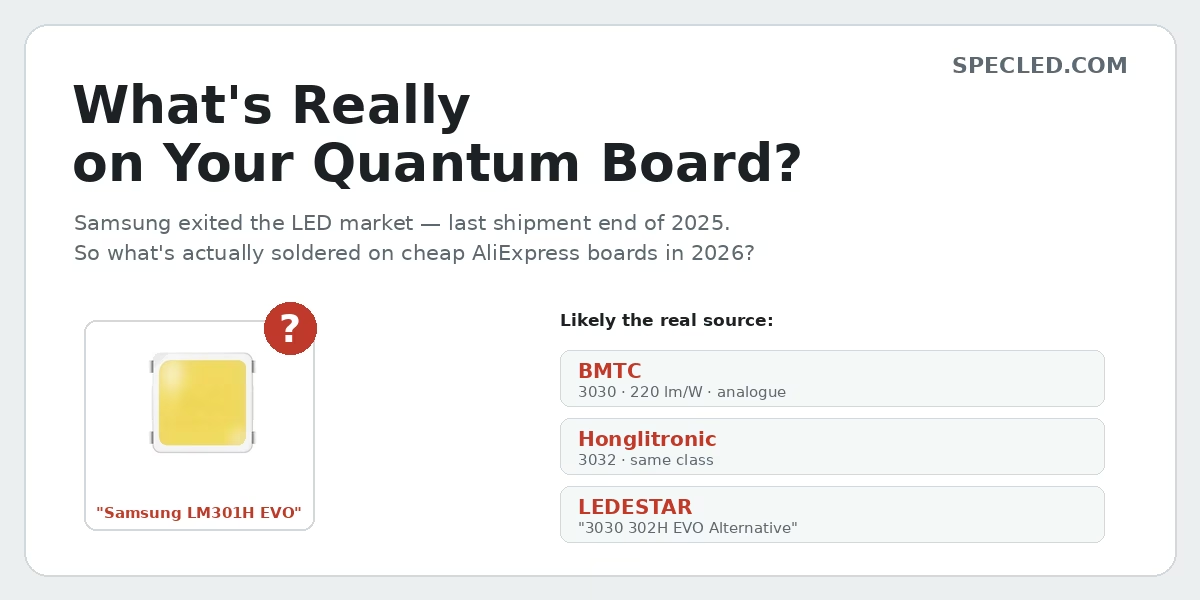
What exactly was discontinued is also no guesswork, but a specific list from the notice's appendix. The axe fell on precisely the chips everyone knows from AliExpress: the entire LM301 line (LM301B, LM301H and the newest LM301H EVO), as well as LM302, LM281, LM282, LM283 and LM284. These are the very LEDs that were considered the benchmark of horticultural light and possibly sat in about half of all quantum boards on the market. I'll single out the LM301H EVO — the most "marketed" chip: you can see it in the discontinued list in black and white. The official text of the notice and the full appendix with models can be viewed in the primary source — Samsung's EOL document on DigiKey. Note that the link points to DigiKey's official domain, which means the source is beyond doubt.
From here follows a simple conclusion, and it's the very basis of this article. Since Samsung's final LED shipment took place at the end of 2025, any quantum board manufactured in 2026 physically cannot carry fresh Samsung LM301H EVO — they no longer exist in production. In theory, leftovers could be sitting in warehouses, but at the price of a cheap AliExpress board, genuine Samsung in 2026 (and earlier too!) is almost always a fiction. So the question in the title stops being idle: if not Samsung, then what is actually soldered onto your board? Below we'll figure out who filled the vacated niche and how to tell a real diode from one "drawn" in the product description. And based on my own measurement experience — dozens of private measurements of various quantum boards from Chinese marketplaces — 99% of quantum boards from China carry LEDs of exclusively Chinese manufacture. That's exactly what the rest of this article is about. You can read about what I used for the measurements here: Our equipment and software for measuring LED and LED lamp parameters.
Do factories in China make Samsung LM-series LED analogues for quantum boards?
Samsung announced its exit, and the niche that marketers and growers had hyped for so many years (the solution really was good — the praise was earned) turned into a vacuum in an instant. A market vacuum cannot exist on its own and must be filled by something or someone immediately. Chinese manufacturers did not miss — and certainly will not miss — such a heavily hyped niche in the plant-lighting LED market.
Over the last 10 years, LED manufacturing in China has developed enormously. Large official factories have appeared, openly producing LEDs of the same form factor and with the same declared specifications. The key point to understand: these are legal analogues, not "counterfeits" in the legal sense. No one is infringing patents by copying a 3030 or 2835 package — these are standard industrial sizes anyone is entitled to produce. The problem is not legality, but that visually such a diode is indistinguishable from the Samsung LM301H, and on a finished board you won't tell by eye what exactly is soldered on.
BMTC — 3030 LED, 220 lm/W
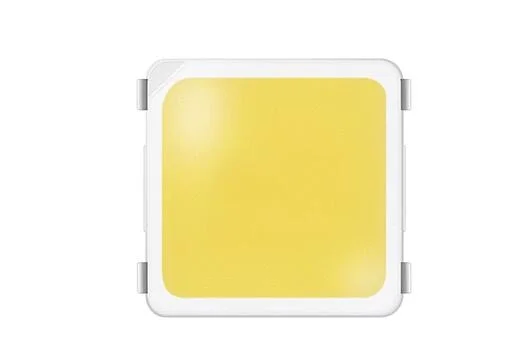
The first example is the BMTC factory. Its white LED in a 3030 package is rated at 0.2 W, 3 V, with a luminous efficacy up to 220 lm/W — exactly the same spec-sheet figures as the Samsung LM301H. The parameters are given for the chip at 25 °C. Visually it's the same white rectangular mid-power diode you're used to seeing on quantum boards, form factor 3030. The product page is available on the manufacturer's site: BMTC 0.2W 3V 3030 LED.
Honglitronic — 3032 LED
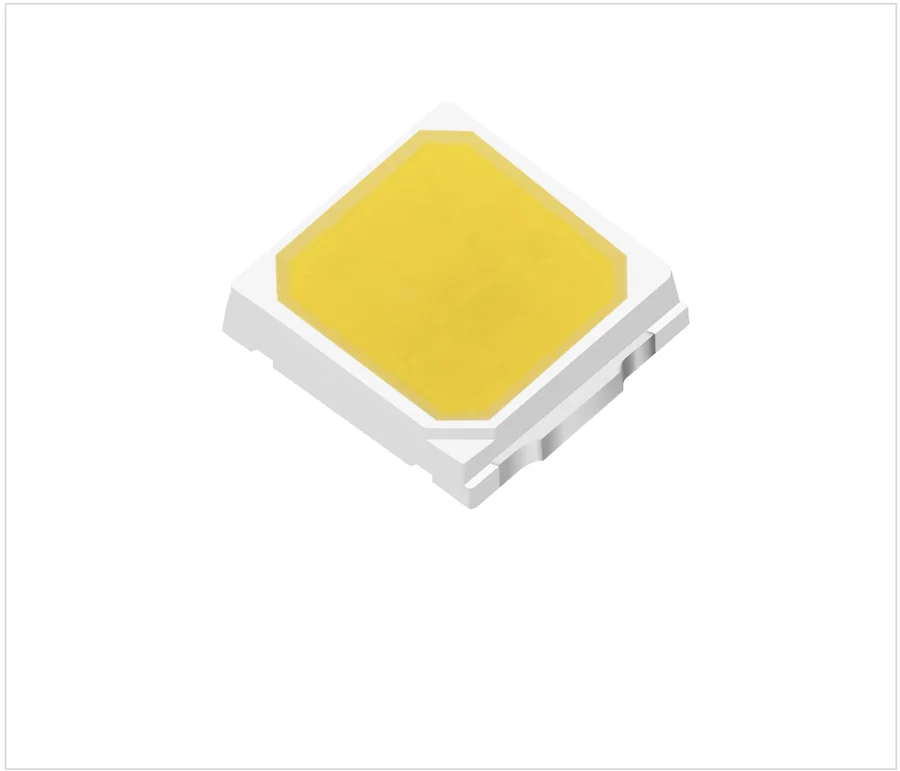
The second example is Honglitronic, one of the largest Chinese LED manufacturers. Their white diode line comes in a 3032 package (slightly different from Samsung's classic 3030, but the difference is barely noticeable by eye), with comparable luminous efficacy and a horticultural spectrum. The form factor is a little different; the specifications are declared at the same level: Honglitronic horticulture white LED. Note the model AS-3030F40W-2-S1-08L-PCT-HR1-F-P6-ZW: the same 42 lumens at 65 mA and 2.8 V. This is no longer a nameless OEM, but a company with its own brand and technical support. In this case, though, the package form factor can be verified with measuring instruments.
LEDESTAR — "3030 302H EVO Alternative"
But the boldest of all is the LEDESTAR factory, which doesn't even try to disguise the purpose of its product. Their 3030-package LED is officially called "LED 3030 302H EVO Alternative" — that is, the product name itself declares it a replacement for the Samsung LM301H EVO. The manufacturer honestly positions the diode as a direct analogue of the discontinued benchmark: same size, same spectrum, close efficiency. Link to the product page: LEDESTAR 3030 302H EVO Alternative. And here lies the heart of the problem: if an honest manufacturer plainly writes "alternative," then a dishonest AliExpress seller will label the very same diode "Samsung LM301H EVO" — and you won't tell the two apart by looks.
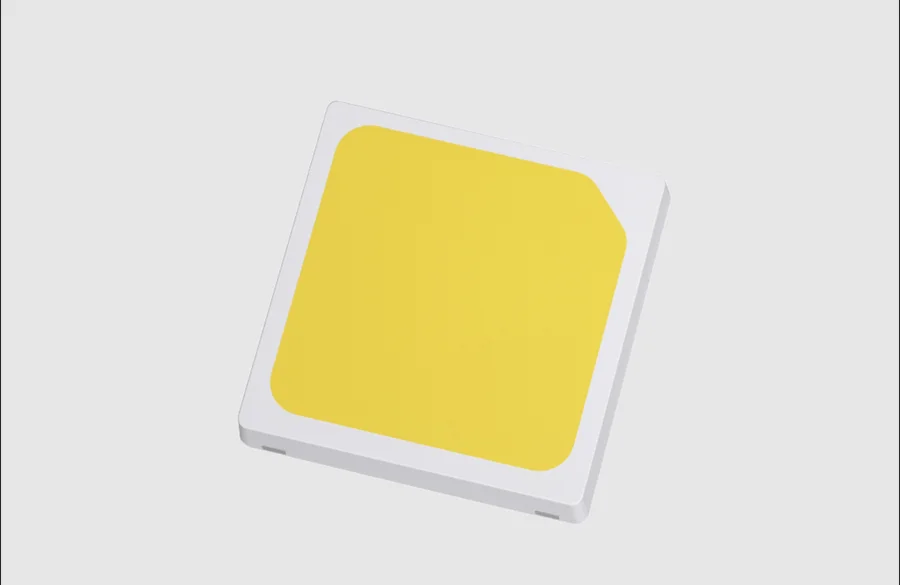
All photos show 3D models from the manufacturers' websites.
A quantum board from AliExpress — really with Samsung?
I hope I've provided more than enough evidence in this article. I want the market to be transparent, so you understand what you're paying for and what you're getting. There's no free lunch. Above I listed only three well-known factories — I'm sure there are more, and some produce LEDs with rather poor specs, but very cheap and looking indistinguishable from the original. This is what accounts for the "sweet" prices in China, not the idea that everyone around is a "hustler."
Which of you, dear readers, has ever once seen a quantum board on AliExpress whose description said "BMTC LEDs" or "LEDESTAR"? There's no such thing — everywhere it says Samsung LM281B+, LM301H, LM301H EVO and so on. Take it on faith? I don't think so.
I'll say it again: I've done quite a lot of measurements of various quantum boards from China, and only a few came close to a genuine quantum board from HLG.
Another question: if the parameters given on the Chinese manufacturers' websites really are true — then for how long? The original LM301H EVO was designed specifically for the harsh conditions of grow tents; cheap copies will, of course, be made simpler and cheaper. The real service life and rate of degradation is an open question.
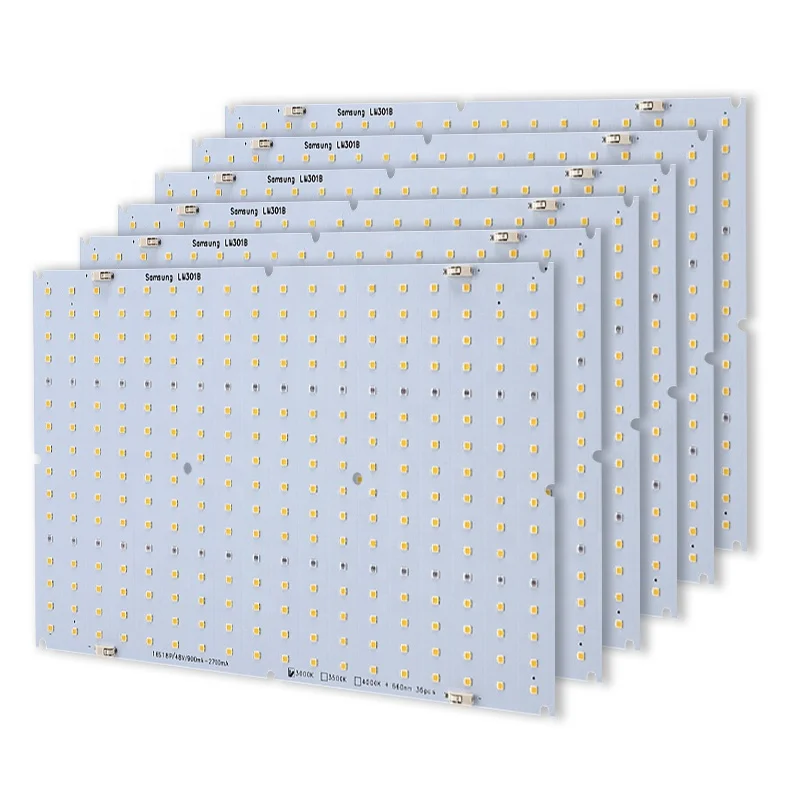
The second problem with quantum boards and LED modules from China
Very often Chinese sales managers personally message me in chat or by email, offering to sell ready-made LED grow lamps or to make turnkey pre-assembled LED modules to my drawings: I only need to provide the Gerber files for the PCB, and I can receive finished modules — and of course they offer LM301H EVO. I've never done this and I don't recommend it to anyone. I hope it's clear why you shouldn't trust it or do it.
My strategy — SPECLED and our LED modules for plants
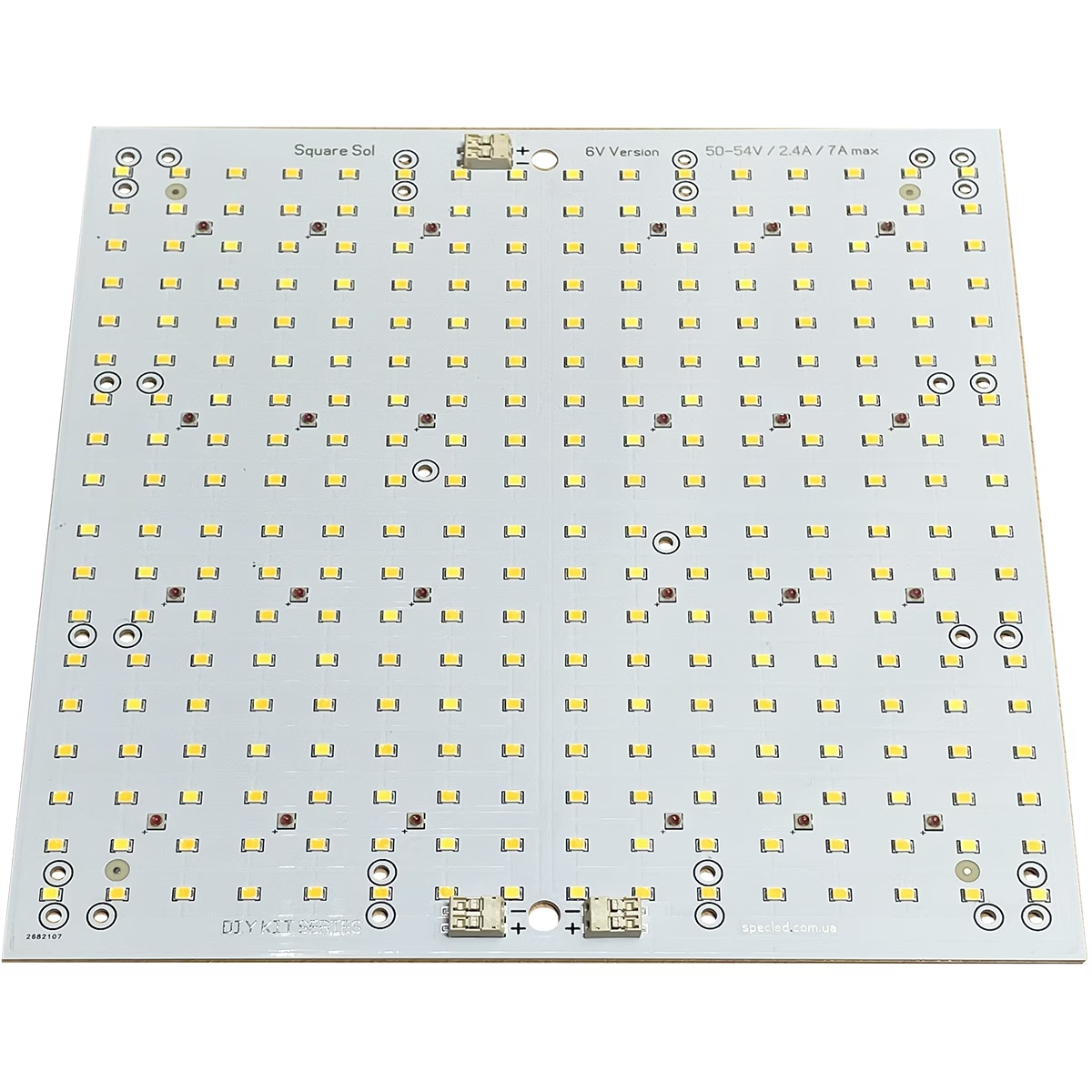
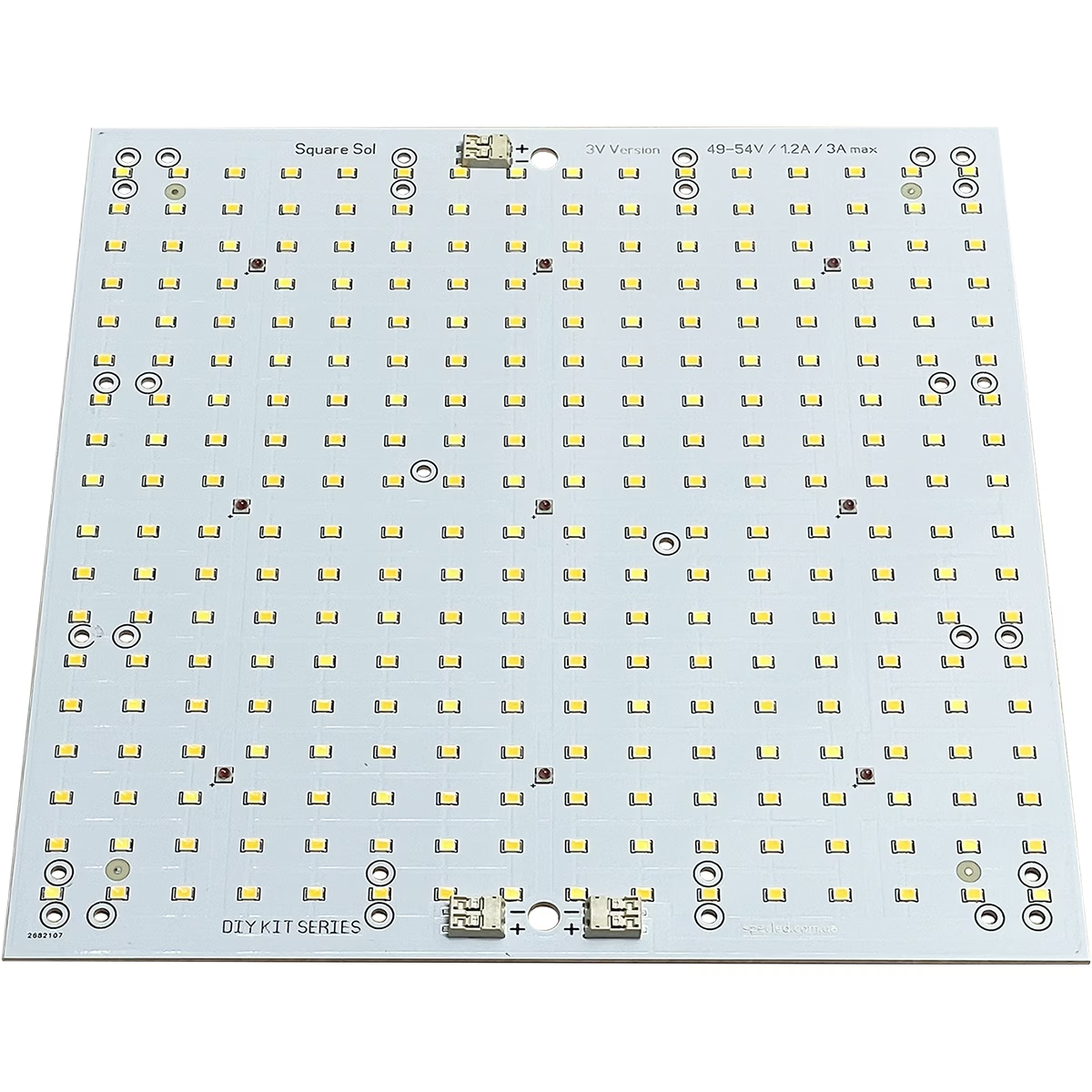
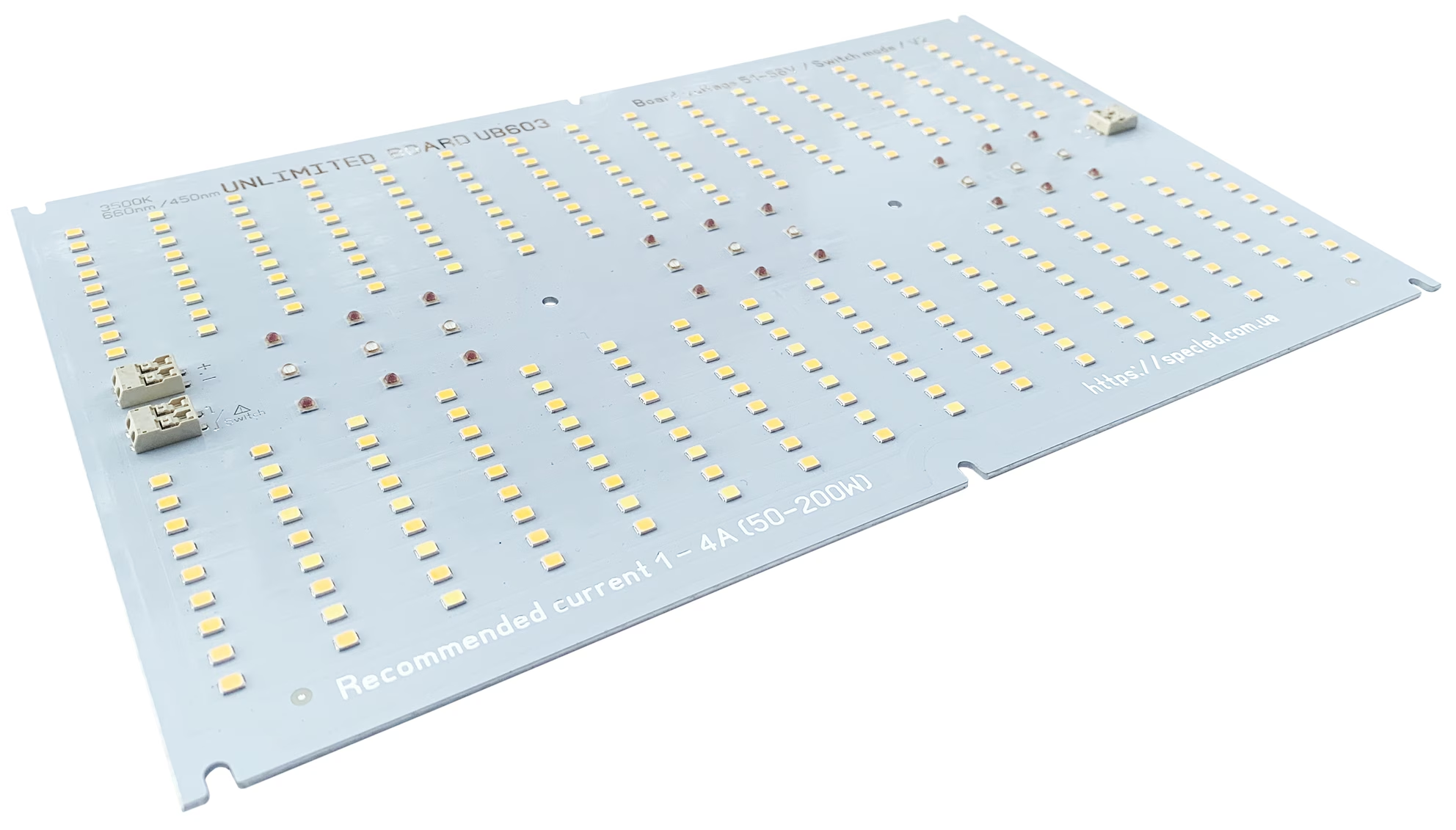
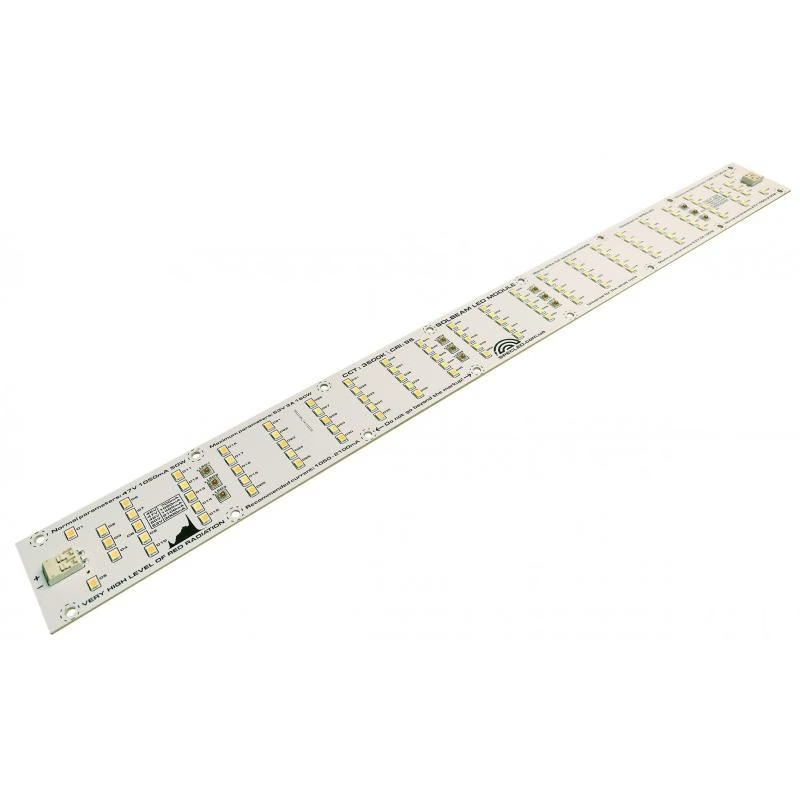
I have always used LEDs bought through official resellers. I often prefer Seoul Semiconductor — they're high quality, efficient, well priced, and I can buy them from an official reseller in Ukraine. Osram or Cree LEDs are also bought from official channels, because factories that produce what look like 100% copies of well-known brands' LEDs cannot but exist in China. So only official sellers — that's what guarantees the 100% quality of our LED modules for plants.
I personally designed, and continue to design, the PCBs for all our LED modules. The aluminium boards are ordered in China, that's true, but the LEDs come only from official resellers, and we solder all modules on a fully automated production line in Kyiv. That's how I guarantee the high quality of every SPECLED LED module.